Managing Clay Soil in North Texas Lawns
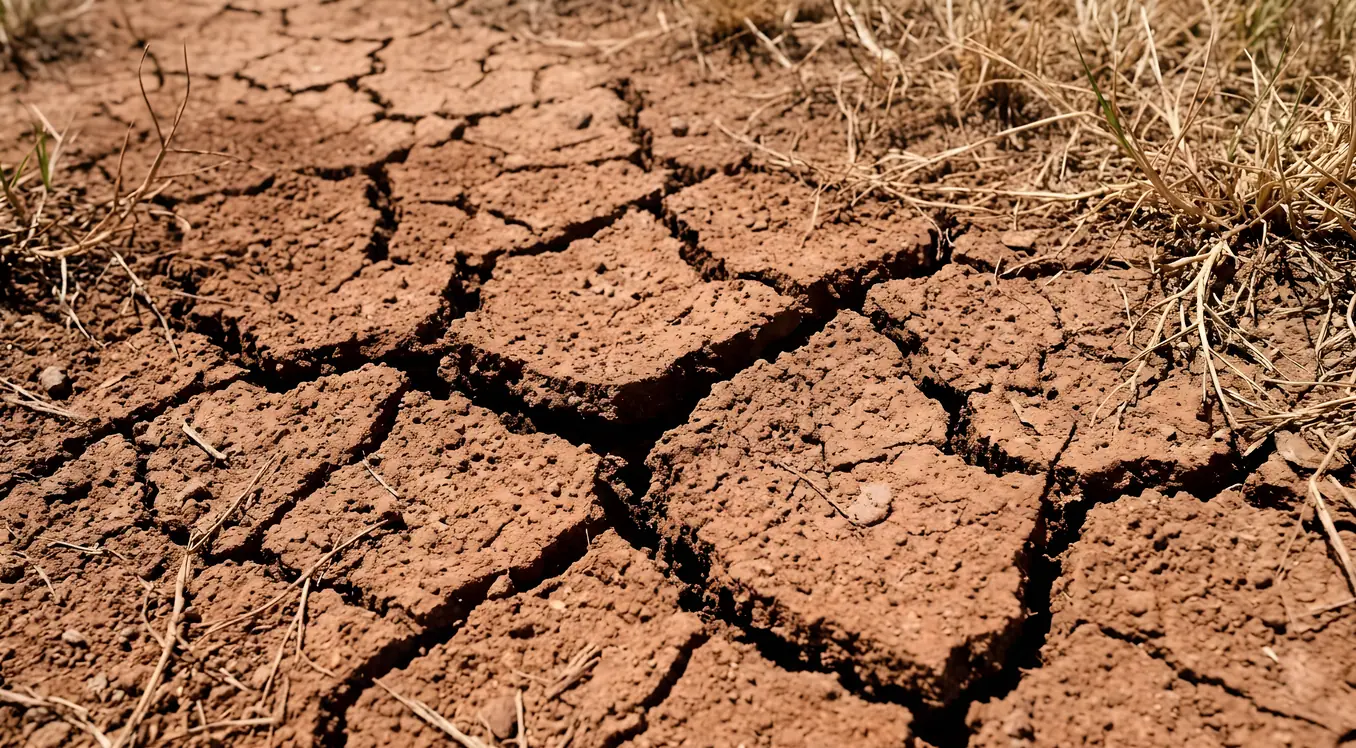
Many North Texas lawns, including those in Little Elm, sit on top of dense clay soil. The USDA's Natural Resources Conservation Service documents the Sanger series, a clay and silty clay soil with 40 to 60 percent clay, with its official type location in Denton County. The series is "very slowly permeable," so water moves through it far more slowly than through sandy or loamy ground, and can sit on the surface or take a while to soak in after watering or rain.
Neither source ties this soil to a specific Little Elm address or parcel; both describe a county- and region-level picture. Because it drains this slowly, watering and fertilizing timing matter more here, and grass choice does too. The rest of this guide to Little Elm lawn conditions covers seasonal care and grass options in more depth.
What Kind of Soil Is Under North Texas Lawns
The USDA-NRCS Official Series Description identifies the Sanger series as the documented soil here, with its type location in Denton County: clay or silty clay, 40 to 60 percent clay, "very slowly permeable," formed in clayey marine sediments on broad uplands.
The series sits within the Grand Prairie land resource area, which NRCS calls moderately extensive, not an isolated pocket. A separate NRCS resource, the General Soil Map of Texas, documents the adjoining Texas Blackland Prairie as another major clayey-soil region nearby, naming soils such as Houston Black and Heiden. That statewide map describes the broader region, not the Sanger series itself.
Instead of soaking in right away, it can sit on the surface a while, and a lawn that looks fine one day can show standing water the next.
Neither source maps a soil series to a specific address, subdivision, or parcel near the lake. Both describe the county- and region-level picture only.
Why Dense Clay Soil Makes Lawn Care Different in Little Elm
"Very slowly permeable" has a simple meaning for anyone watering a lawn: water moves through this soil much more slowly than through sandy or loamy ground. Instead of soaking in right away, it can sit on the surface a while, and a lawn that looks fine one day can show standing water the next.
That slow drainage is one reason the Town's watering schedule matters more here than on faster-draining soil. Extra watering outside the allowed days doesn't help clay absorb water any faster, since the soil itself is the limiting factor. Knowing which days sprinklers are permitted keeps a lawn within the rules without helping drainage.
Timing matters on fertilizing too. Texas A&M AgriLife Extension's Bermudagrass calendar documents over-irrigating and fertilizing with nitrogen in early fall as a factor linked to higher rates of large patch disease, a general seasonal-practice finding, not specific to clay soil.
Because this soil drains so slowly, extra water applied alongside a fall nitrogen application has nowhere quick to go, which lines up with AgriLife's fall large patch warning. Time fertilizing with the schedule on fertilizing timing and rates instead of guessing.
Working With the Soil Instead of Fighting It
This page doesn't recommend aeration, gypsum, tilling, or any other soil treatment for clay soil. Texas A&M AgriLife's Plant Disease Handbook does document a general watering habit as part of managing brown patch: water only as needed and early in the day, so the grass dries quickly.
Bermudagrass's deep rooting and drought tolerance, documented separately by AgriLife, make it more forgiving of this soil's slow drainage than a shallow-rooted alternative. See grass types for how it compares to St. Augustine and Zoysia.
Fertilizing timing matters more on slow-draining soil too. Full rates and timing windows for St. Augustine and Bermudagrass are on fertilizing timing and rates rather than repeated here.
For homeowners who would rather have this handled, comparing local lawn care companies on the homepage is a reasonable next step.
Choosing Grass That Handles Local Conditions
Bermudagrass is documented by Texas A&M AgriLife Extension as one of the most well-adapted turfgrass species for Texas home lawns, with strengths including drought tolerance, heat tolerance, and a deep rooting habit. None of that documentation frames Bermudagrass as specifically suited to clay soil; the strengths are about heat and drought, not soil texture.
Homeowners deciding between Bermudagrass, St. Augustine, and other species can find a fuller comparison on grass types used in North Texas lawns, including how each handles sun, shade, and traffic; this page notes only the general adaptation facts AgriLife documents for the region.
Frequently Asked Questions
What kind of soil is under Little Elm lawns?
USDA-NRCS documents the Sanger series as the soil type located in Denton County, describing it as clay or silty clay with 40 to 60 percent clay content and very slow permeability. The nearby Texas Blackland Prairie region is separately documented as another area with significant clay soils. Neither source ties this soil type to any particular address or neighborhood, only to the broader county and regional area.
Why does water sometimes sit on top of the lawn after watering or rain?
The Sanger series is described as very slowly permeable, meaning water passes through it much more gradually than through sandy or loamy soil. Rather than soaking in right away, water can remain on the surface for a stretch of time before it fully drains, which is why puddling sometimes appears after a rain event or a sprinkler cycle.
Does clay soil change how I should think about watering rules in Little Elm?
Slow-draining clay soil does not absorb water any faster just because a lawn is watered more often or outside scheduled days. Understanding the Town's published watering schedule, covered in the site's separate watering rules guide, matters here since extra watering beyond those days will not improve how quickly the soil drains.