Little Elm's Grass Height Rule: What Homeowners Need to Know
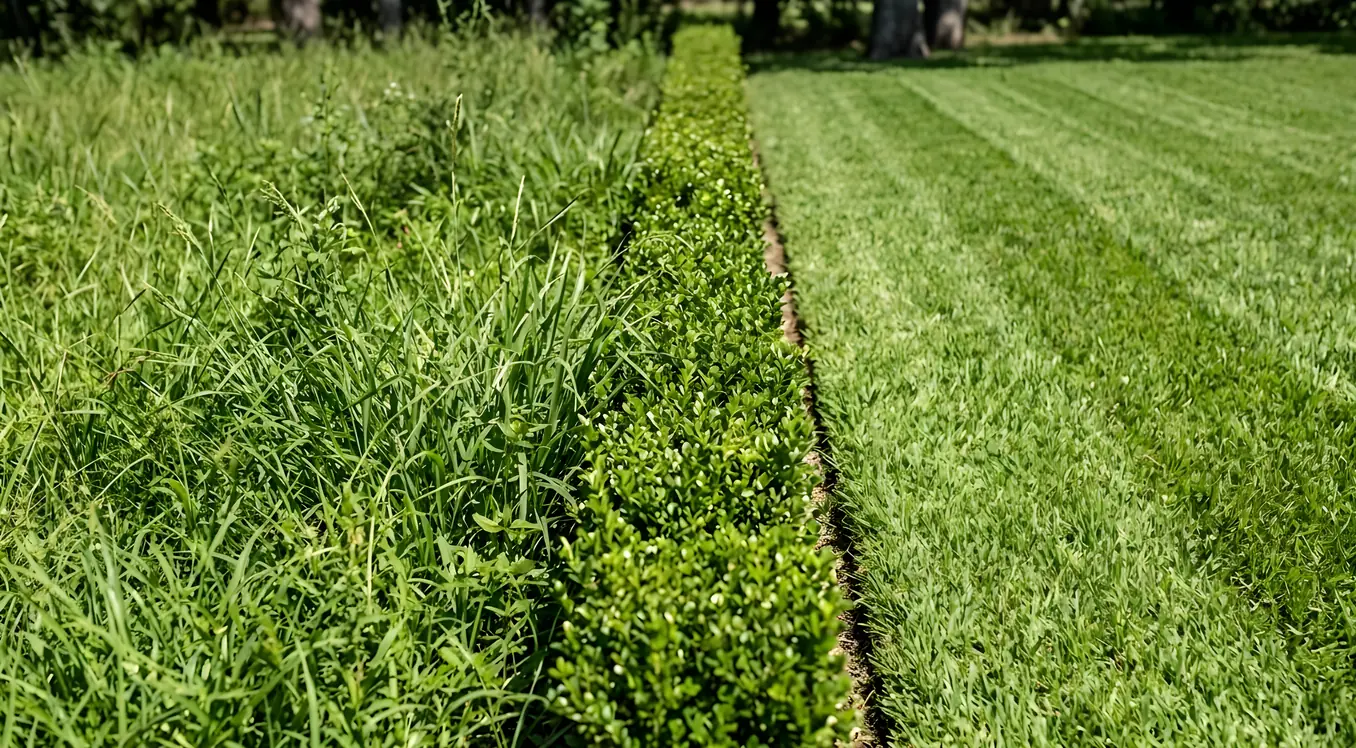
How tall can grass be in Little Elm, TX before it violates the ordinance? Under Ordinance No. 1536, weeds and grass over 12 inches tall are a nuisance under Town code, whether they're growing in a front lawn, a side yard, or an empty lot. The rule applies to any property within 150 feet of a street right-of-way, alley, utility easement, another subdivided property, or a building or structure, which covers most residential lots in Little Elm.
Beyond height, the Town also holds property owners to a separate edging duty: grass and weeds can't spill onto sidewalks, streets, curbs, or alleys, even if the lawn behind them is under 12 inches. Landscaping that's maintained and compliant with the Town's xeriscaping standard is excepted from these rules. And if a property sits inside a homeowners association, that HOA's own rules can be stricter than the Town's, and they're enforced separately.
What Little Elm's Ordinance Actually Says
Section 46-22(a) of Little Elm's Ordinance No. 1536 makes it unlawful for a property owner to let weeds, grass, or similar growth exceed 12 inches within the areas the ordinance covers. The Town's own Good Neighbor Guide summarizes the same limit for residents. The code defines "weeds" as vegetation that's objectionable, unsightly, or unsanitary because of its height, a definition that excludes shrubs, bushes, trees, cultivated flowers, and cultivated crops. Ordinary lawn grass and untended weeds both fall under the 12-inch cap; ornamental plantings generally don't.
Where the 12‑Inch Rule Applies
The 12-inch limit isn't confined to the yard visible from the street. It applies to any property within 150 feet of a property line that abuts a street right-of-way, an alley, a utility easement, another subdivided property, or a building or structure. In practice, that distance covers most of a typical Little Elm lot: front, side, and back. A homeowner who assumes only the front lawn counts, or that a fenced backyard is exempt, is working from the wrong read of the code.
The Edging Duty: Keeping Grass Off Sidewalks and Streets
Section 46-22(c) creates a second, separate duty: property owners have to prevent grass, weeds, or other vegetative growth from spreading onto sidewalks, streets, curbs, alleys, or other public property. Staying under 12 inches doesn't cover this duty on its own. A lawn can be short and still be out of compliance if it's crowding a sidewalk edge. Mowing on a regular schedule handles both duties at once; see mowing basics for guidance on height and frequency. The ideal mowing height itself isn't universal either: Bermudagrass and Zoysiagrass are typically cut shorter than St. Augustinegrass, so it's worth checking the grass types comparison before setting a mower deck.
Grass or weeds growing over a sidewalk, curb, or street edge violates Sec. 46-22(c) even when the lawn itself is under 12 inches. It's a separate duty from the height limit.
The Xeriscaping Exception
Landscaping that's maintained and compliant with the Town's xeriscaping standard, Section 106-102, is excepted from the nuisance-accumulation provisions in the grass-height ordinance. That means a properly maintained xeriscaped bed doesn't have to meet the 12-inch limit the way a traditional lawn does. The exception applies to compliant xeriscaping specifically, not to an untended yard a homeowner simply calls low-maintenance.
A xeriscaped bed maintained and compliant with the Town's Sec. 106-102 xeriscaping standard is excepted from the nuisance provisions. Check the ordinance to confirm your landscaping qualifies.
HOA Rules Can Be Stricter
Buying a home inside a homeowners association makes a resident subject to that HOA's own CC&Rs, and lawn maintenance is a common item those documents cover separately from Town code. The Town doesn't publish or enforce individual HOA standards; it maintains an HOA directory and mapping tool residents can use to find their own association's rules. If keeping a lawn compliant with both the Town and an HOA feels like more than you want to manage, how to compare lawn care companies is one way to find recurring help.
What Happens If a Lawn Goes Over the Limit
An over-height lawn is treated as a nuisance and unlawful condition under Ordinance No. 1536, and the current code and any enforcement steps are laid out in the ordinance itself rather than repeated here. The grass-height rule is separate from other Town lawn regulations; Little Elm's watering rules set their own limits on when sprinklers can run. For the rest of the Town's lawn-related guidance, see the Little Elm lawn guide, or compare Little Elm lawn care companies on the directory.
Frequently Asked Questions
Does the 12‑inch rule apply to my whole yard, or just the front?
It generally covers more than the front. Ordinance No. 1536 applies to any part of a property within 150 feet of a street right-of-way, alley, utility easement, another subdivided property, or a building or structure, a distance that reaches most of a typical Little Elm lot, front, side, and back.
Can I xeriscape instead of mowing to stay compliant?
Yes, if the xeriscaping is maintained and compliant with the Town's xeriscaping standard, Section 106-102. Landscaping that meets that standard is excepted from the grass-height ordinance's nuisance provisions, so it doesn't have to stay under 12 inches the way a traditional lawn does. An untended yard called low-maintenance doesn't qualify on its own.
What if my HOA has a stricter rule than the Town?
The HOA's rule applies separately from Town code. Buying inside a homeowners association subjects a resident to that HOA's own CC&Rs, which commonly cover lawn maintenance on their own terms. The Town doesn't publish or enforce individual HOA standards; its HOA directory and mapping tool can help a resident find their own association's requirements.