Weed Control for North Texas Lawns: Pre‑Emergent Timing
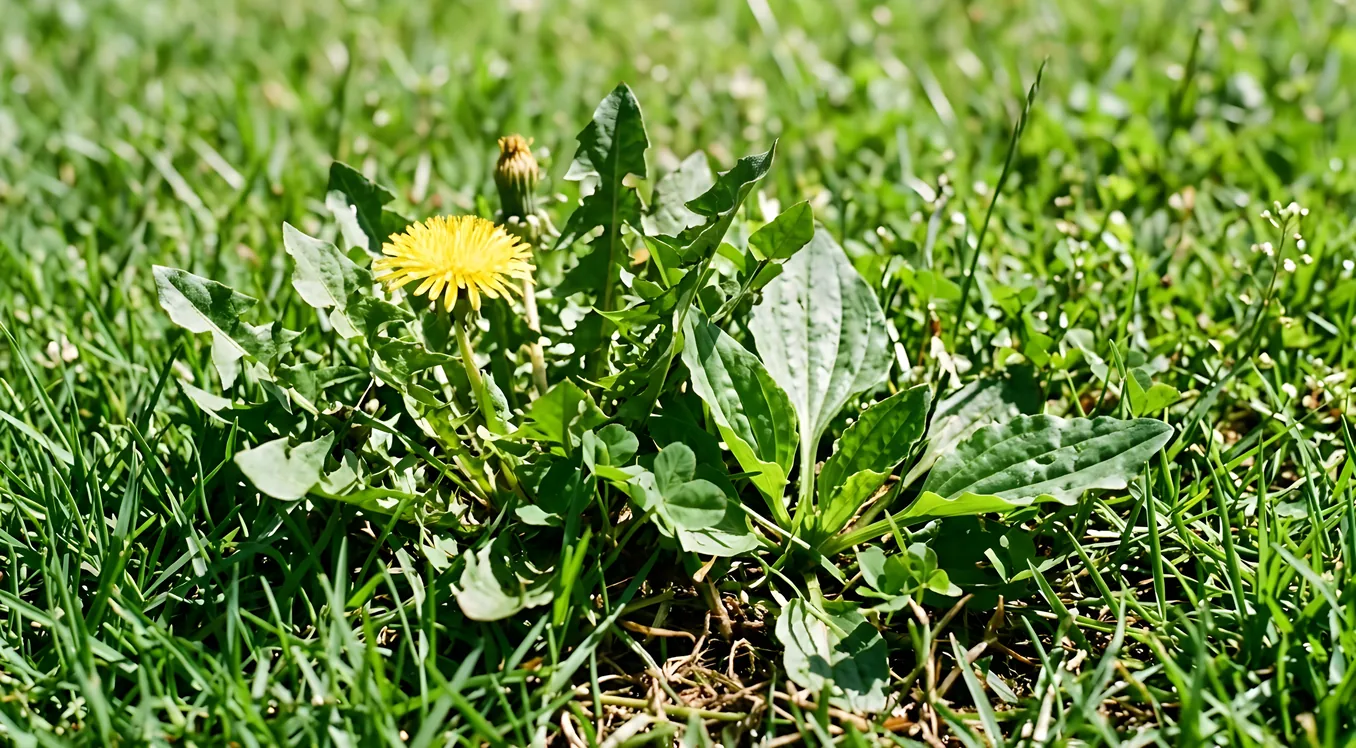
Pre-emergent weed control in North Texas goes down when soil temperature reaches about 55°F for four to five consecutive days in a row, not on a fixed calendar date. Pre-emergent herbicide stops weed seeds from germinating; it does nothing for weeds that are already growing in the lawn. That first application targets crabgrass and goosegrass, two summer annual weeds that sprout as soil warms in spring. A second window follows in fall, once soil temperature holds at about 70°F for the same four to five days, aimed at winter annual weeds like henbit, annual bluegrass, and rescuegrass. Anyone applying weed-control pesticide to a lawn for hire in Texas must hold a Texas Department of Agriculture applicator license, a fact worth knowing before comparing companies. Because a fresh application generally needs watering to activate, timing also has to work around Little Elm's own watering schedule, not against it.
When Spring Weeds Like Crabgrass Show Up
Crabgrass is a summer annual weed: it germinates from seed each spring, grows through the hot months, and dies back with the first freeze. Pre-emergent herbicide works by forming a barrier in the soil that stops the seeds from sprouting, so the timing has to land before germination starts, not after.
Pre-emergent weed control goes down when soil temperature holds at about 55°F for 4 to 5 consecutive days, usually early March in North Texas, per the Texas A&M AgriLife/AggieTurf St. Augustinegrass calendar.
That 55°F threshold is why Texas A&M AgriLife Extension places crabgrass germination on a sliding scale across the state: mid-March in the Panhandle, early March in North and Central Texas, and mid-February in South Texas. Little Elm sits in the North Texas band, so early March is the usual target, though the actual trigger is warm soil, not a date circled on a calendar.
The Fall Pre‑Emergent Window for Winter Weeds
Winter annual weeds work on the opposite schedule from crabgrass: henbit, annual bluegrass, and rescuegrass germinate in fall, grow through the cooler months, and set seed before dying back in spring. The Texas A&M AgriLife/AggieTurf calendar lists a fall pre-emergent application, timed to soil temperature reaching about 70°F for four to five consecutive days, as the way to get ahead of them.
AgriLife's Bermudagrass calendar calls this fall application for winter annual grassy weeds "less common," used in a mid-August to mid-September window. Treat it as the less-standard of the two windows, not something every North Texas lawn gets every year. Fertilizer timing is a separate question with its own cutoff dates; see fertilization timing rather than assuming it matches the weed-control calendar.
Pre‑Emergent vs. Post‑Emergent: What Each One Treats
Pre-emergent and post-emergent herbicides solve different problems, and mixing them up wastes a treatment. Pre-emergent stops weed seeds from germinating in the first place. It works only as a preventive barrier in the soil, and it does nothing for a weed that has already broken the surface and started growing.
Post-emergent herbicide treats weeds that are already up and visible in the lawn. It's the corrective option, applied after the fact rather than ahead of it. A homeowner who missed the spring pre-emergent window and now has crabgrass showing needs post-emergent treatment, not a heavier dose of the pre-emergent product. Applying more pre-emergent after weeds have germinated doesn't reach the plants already growing; it only blocks seeds that haven't sprouted yet.
Weed Control and Little Elm's Watering Rules
A newly applied pre-emergent generally needs watering to activate, so a spring application runs into the Town's own watering limits. Little Elm restricts sprinkler watering to twice a week, on days tied to trash pickup, with no watering from 10 a.m. to 6 p.m., April through October. November through March, the limit drops to once a week.
Ask a lawn care company to schedule the application inside your household's watering window rather than the day before it closes, since a treatment that goes down right before a restricted stretch loses its chance to activate.
A spring application, timed for early March, falls inside the once-a-week window that runs November through March, not the twice-weekly window that starts in April. Violations carry a fine of up to $2,000. Full rules: Little Elm's watering rules.
Who Can Legally Apply Weed Control for Hire in Texas
Anyone who applies pesticide, including most weed-control herbicide, to a lawn for hire needs a license from the Texas Department of Agriculture: either an Agricultural Pesticide (Ag Pest) license or a Structural Pest Control Service (SPCS) license, depending on the type of work.
That requirement doesn't apply to every lawn company. A business that applies only fertilizer does not need a TDA license, since the rule is tied to pesticide application. A quote that bundles fertilization and weed control as one service is worth asking about directly. The Texas Department of Agriculture publishes the licensing requirements, and checking a pesticide license explains how to verify one before hiring.
Comparing Weed Control Providers in Little Elm
Several local companies offer weed control as part of a lawn care program, and the details of timing, product choice, and licensing vary by provider. Compare lawn care companies serving Little Elm to see who offers weed control alongside services like fire ant treatment, which several of the same companies bundle in. Before signing on with any provider, it's worth working through questions to ask a lawn care company before you hire, including the licensing question above. Weed control is one of eight services covered in the full lawn care services guide for Little Elm yards.
Frequently Asked Questions
When should I put down pre‑emergent weed control in North Texas?
Time it to soil temperature, not a date on the calendar. Apply when soil holds at about 55°F for 4 to 5 consecutive days, which is usually early March in North Texas. A second window, aimed at winter weeds, follows in fall once soil reaches about 70°F for the same stretch.
What's the difference between pre‑emergent and post‑emergent weed control?
Pre-emergent stops weed seeds from germinating before they sprout; it does nothing for weeds that are already growing. Post-emergent treats weeds that are already up in the lawn. A homeowner who missed the spring window and already has crabgrass showing needs post-emergent treatment, not a heavier dose of pre-emergent.
Does a Little Elm lawn care company need a license to apply weed control?
Yes, if it is applying pesticide for hire. Texas requires a Department of Agriculture applicator license, either an Agricultural Pesticide license or a Structural Pest Control Service license, depending on the work. A company that applies only fertilizer, with no pesticide, does not need this license.
How can I check whether a lawn care company's weed control license is current?
Ask the company for its Texas Department of Agriculture license number, then verify it with the Texas Department of Agriculture. See checking a pesticide license for the full walkthrough.